









Zambia is preparing to host the most prestigious event in global mine safety next month: the International Mines Rescue Competition (IMRC). This is the first time the biennial event will be hosted in Zambia – and the first time in its more than 100-year history that it’s being held on the African continent.
The IMRC brings together elite mine rescue teams from around the world to showcase best practice, advanced techniques, and innovations in emergency response. This year’s edition will be co-hosted by FQM Kansanshi Mine in Solwezi and Mopani Copper Mines in Mufulira from 25 April to 7 May 2026, with opening and closing ceremonies in Kitwe and Livingstone.
“Being selected to host this globally respected event reflects the world’s confidence and trust in Zambia’s mining industry, its governance and institutions, and its strong commitment to safety excellence,” said CEO of the Zambia Chamber of Mines, Mr Sokwani Chilembo.
The competition also raises the bar industry-wide. “The competition is aimed at raising emergency rescue standards in the mining industry through practical drills and knowledge sharing among participating teams,” said First Quantum Minerals Group Safety Manager Mr Eric Cousins.
Meaningful milestones
This milestone wasn’t reached in isolation. It’s the result of deliberate, sustained work to raise safety standards across Zambia’s mining sector.
Last month, Kagem Mining Limited (Kagem) was recognised by the Minerals Regulation Commission for four consecutive years without a Lost Time Injury (LTI) – meaning four years in which no worker was hurt badly enough to miss a shift. It’s the first time any mine in Zambia has received this recognition.
Kagem was also named Zambia’s Best Mine in Safety for the second year running at the 9th National Conference on Occupational Health, Safety and Environment (HSE) in October 2025. “The award means so much to us, not just as an accolade but because it represents the safety of our employees who have been able to return to their families after each shift,” said Kagem Board Chair Dr Sixtus Mulenga at the award ceremony in Kitwe last year.

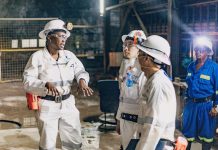
Behind these numbers and awards are training programmes, stringent safety protocols, and a commitment to what the industry calls a “zero harm” culture: the goal of eliminating work-related fatalities and serious injuries entirely.
Mr Elite Mhone, Director of Mine Inspections and Audits at the Minerals Regulation Commission said: “Four years without Lost Time Injury is not an easy achievement, and it requires deliberate and consistent planning, review, and follow-through.”
Behind these numbers and awards are training programmes, stringent safety protocols, and a commitment to what the industry calls a “zero harm” culture.
A broader shift across the sector
Government stakeholders, the Zambia Chamber of Mines, and international partners formally launched the country’s Vision Zero initiative for the mining industry at last year’s national HSE conference. It’s part of a global prevention strategy, championed by the International Social Security Association (ISSA), that promotes a culture of prevention and systemic safety interventions.
Speaking at the HSE conference, Kagem’s Head of Health, Safety, Environment and Quality, Mr Benedict Bukoka said: “At Kagem, we believe that the adoption of Vision Zero and a ‘zero harm’ culture in mining will continue to change the trajectory and perspective of safety and health in Zambia’s mining sector for the better.”
Mr Mhone connected safety directly to Zambia’s larger ambitions: “As Zambia looks to accelerate development and strengthen its economic standing, increased productivity in the mining sector will be paramount – but this must not come at the expense of our workers.”
Mining-driven development
All four Zambian towns that are set to host this ‘world cup of mine rescue’ will welcome a mixture of delegates from eleven countries, including elite mine rescue teams, technical experts, and executives from Canada, Colombia, Indonesia, Australia, Poland, India, China, and Côte d’Ivoire.
Zambia will be represented at the IMRC by four mine rescue teams from Mopani Copper Mines PLC, NFCA, Lubambe Copper Mine, and Konkola Copper Mines.
Being selected to host this event represents a broader national opportunity beyond mine rescue competition, Mr Chilembo pointed out. “While the IMRC is fundamentally about mine rescue and emergency response, IMRC 2026 is far more than a competition for us – it is a national showcasing opportunity. It allows us to market and expose Zambia’s rich culture, hospitality, and tourism potential to more than 500 international delegates expected to attend,” he said.
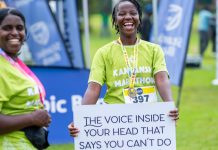
Zambians have watched as Solwezi has become a more regular host of major events in the last few years. The inaugural Kansanshi Marathon was held here in May 2023, which saw over a thousand runners take to the streets of Solwezi. The mayor, Mr Remmy Kalepa, pointed out the economic benefits of hosting events like this, to which the town’s fully-booked hotels and lodges were testament. Two years later, the number of participants had doubled.
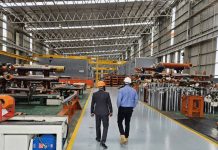
Economic growth in Solwezi now extends far beyond the mine that sparked it. Secondary industries like manufacturing and engineering, which grew up servicing Kansanshi, have been followed by hotels, restaurants, and other tertiary businesses. All of this creates a broader array of opportunities for Zambians.
Investing in Zambia
The mining industry has committed more than US$2.5 million to hosting the IMRC, with new infrastructure and specialised training facilities developed specifically for it.
Earlier this month, Kansanshi Mine Plc Superintendent for Emergency Services Mr Christopher Hale confirmed the company’s readiness. “The mine is ready to co-host the international competition and has already begun making logistical and technical preparations,” Mr Hale said.
The event is expected to improve collaboration with international partners in mine safety and emergency response, he added – and, crucially, to further strengthen safety practices in Zambia’s mining sector.
For the Zambians – and their families – who spend their days keeping this vital industry running, stronger safety practices that make a ‘zero harm’ culture possible is, of course, the ultimate goal.
See also: Safety is a shared mindset

This is great, we look forward to its success.
I have been a first rider for over 20 year