






It’s been an eventful year for mining in Zambia. We saw our readers engaging with voices from across the sector – from policymakers and industry leaders, to technical experts – all grappling with how mining can deliver sustainable growth while meeting rising expectations.
As we approach the end of the year, Mining for Zambia takes a moment to reflect on the articles and interviews we published that resonated the most – and why they matter.
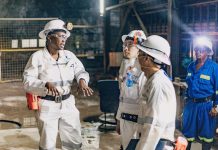
How running became part of Solwezi’s DNA
Find out how FQM Kansanshi’s support for running – from coaching programmes in schools to the internationally accredited Kansanshi Marathon – has helped spark a community-wide fitness culture in Solwezi, inspiring young people, women and new clubs – while also producing standout athletes like marathon record-holder Elizabeth Mukoloma. Read more here.
“This isn’t just a one-day event. It’s shifting perspectives in our town about what’s possible, especially for youth and women.”

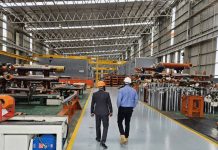
Local content isn’t always local: Hitachi in Zambia
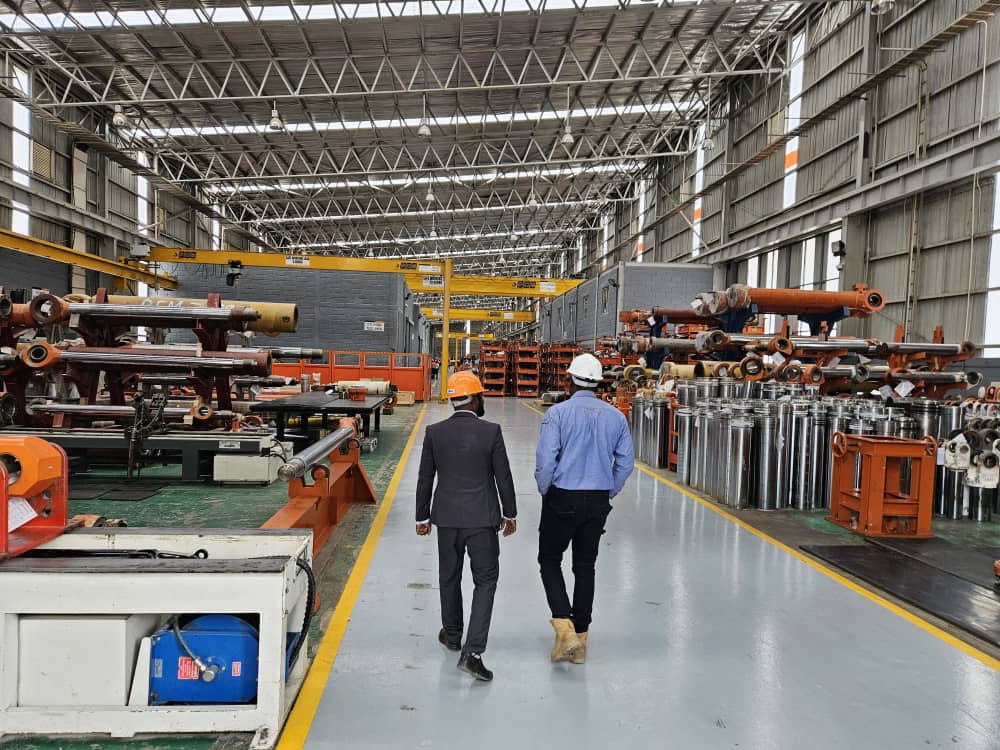
Hitachi’s $25 million expansion of its Remanufacturing Facility – and addition of an Engine Facility – in Lusaka Province was an exciting moment for Zambia in June this year. Read about how this project strengthens the country’s mining supply chain, cuts equipment downtime, and develops highly specialised local skills here.
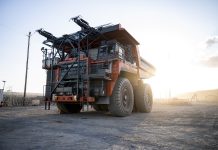
S3’s massive boost to copper production is on the way
Watch this short video to get a sense of how First Quantum Minerals’ $1.25 billion S3 expansion project at Kansanshi is poised to nearly double the mine’s copper output, creating significant jobs and business opportunities in the Solwezi region as it advances towards full commissioning.
Becoming a leader is a mindset
In Part 1 of this interview with Ms Mfikeyi Makayi, KoBold Metals Africa’s CEO reflects on becoming the first Zambian woman in the country to run an exploration company. She also shows us how curiosity, resilience and continuous learning all contribute to effective leadership in Zambia’s fast-evolving mining sector. Read it here.

“Zambia has been doing mechanised mining since the 1930s. Over the decades, we’ve seen nationalisation, privatisation, copper price crashes, and economic downturns and upturns. After all that, many people look around and ask, ‘What has mining actually done for us?’ There are two sides to the argument, and they both matter. Governance plays a huge role, too – it’s not just about the mining companies.”
Mfikeyi Makayi: a lifelong commitment to Zambia
KoBold Metals Africa CEO Ms Mfikeyi Makayi shares the company’s exciting plans in Part 2 of this exclusive interview. You’ll also read about her commitment to building local skills, strengthening institutions and delivering long-term value in Zambia.
Financial Flows: Where does the money from mining go?
How does one know exactly how much in taxes and mineral royalties mining companies pay for the minerals they mine? And how are Zambians to know whether Government received whatever amounts are due?
In this interview with the National Coordinator and Head of Secretariat at the Zambia Extractive Industries Transparency Initiative (ZEITI), Mr Ian Mwiinga tells us where Zambian citizens can obtain independently-audited data about activities across the mineral value chain, and get the full picture of who our mineral wealth is benefitting.
Beyond the Bottom Line
In Part 2 of this interview, ZEITI’s Mr Ian Mwiinga explains how the organisation’s work goes far beyond reporting figures. He explains new metrics like the G‑Factor which reveal how much value stays in communities, and other ways to strengthen oversight and accountability across Zambia’s mining sector.
See also: Zambia’s mining industry in 2023