








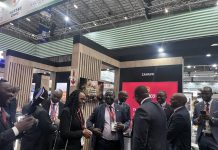
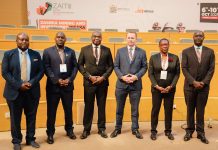

President Hakainde Hichilema took to the stage at last week’s Investing in African Mining Indaba in Cape Town, marking his third appearance at the annual event as head of state. The President used his keynote speech as an opportunity to ‘report back’ on the investments that have been made into Zambia’s mining sector since his Government came to power in late 2021 – to the tune of US$12 billion dollars.
The four-day gathering at the Cape Town International Convention Centre, which draws together investors, political leaders, commodity traders and companies across the mining value chain, is a useful way to take the temperature of the proverbial room. In 2022, just nine months after his New Dawn Government came to power, Mr Hichilema’s keynote address crackled with the kind of optimism that investors had long stopped expecting from Lusaka – and, to a large extent, the message that Zambia was open for business landed that year.
This year, excitement continued to bubble around the Zambia pavilion, which had once again expanded in size. But, beneath the buoyancy, a clear message came through: having minerals that remain in the ground won’t get us any closer to economic transformation.
Mining For Zambia asked key delegates about the attitude toward Zambia this year, and their thoughts around how the country can make the most of the ‘critical mineral opportunity’ that has the potential to transform the economy.
***
According to Mr Andrew Chibuye, Country Senior Partner at PwC, geopolitical tensions have created a greater intensity in the critical mineral discussion. “The trend is greater and greater demand, and greater and greater competition for the resources – and African countries like Zambia are centre stage. The question is how do we ensure we make the most of the opportunity?”
“The appetite for investment is huge,” he points out. “But what we are faced with now is a scramble to try and find what’s in the ground.”
“The appetite for investment is huge,” he points out. “But what we are faced with now is a scramble to try and find what’s in the ground.”
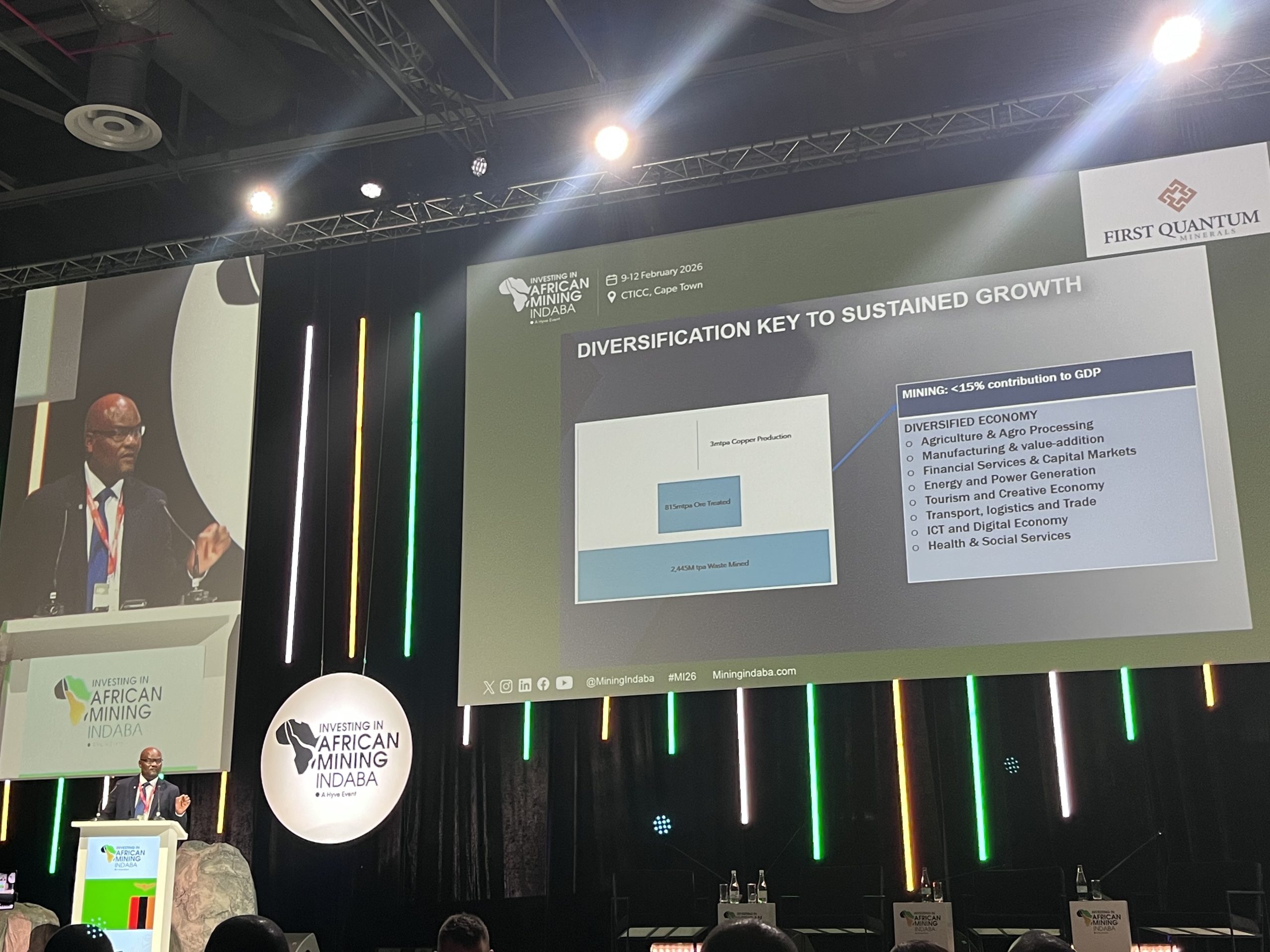
Mr Anthony Mukutuma, Country Director at First Quantum Minerals Zambia made a similar point during this year’s very well-attended ‘Country Showcase.’ “We talk about the goal of getting to three million tonnes of copper production per year. But the first step in that journey is exploration. If all the [mining] assets that have been stressed come back into play, Zambia’s copper output will only go up to about 1.6 million tonnes – so we’re still way short of the three million tonnes that we’re looking for.”
FQM funded an aerial geological survey of Copperbelt Province in 2023, and handed the findings over to Zambia’s Minister of Mines and Mineral Development Paul Kabuswe during a ceremony in January 2025. Geological surveys are by no means ‘treasure maps,’ but sharing data like this does give investors a sense of which parts of the country they may wish to take a chance exploring. Meanwhile, the Government’s own funding of a national aerial survey of the country is ongoing – with a goal of completing all mapping by the end of the year, Ministry of Mines and Mineral Development, Hon. Paul Kabuswe said at the Indaba. But Government is still sitting on the findings, despite requests from explorers that it be released incrementally so they can get to work.
“Making sure that more exploration is started also requires stability in the operating and regulatory space, so that investment can flow,” Mr Mukutuma said, addressing the Country Showcase attendees. “As most of you know, capital has got legs. If there’s no stability in Zambia, it’s not going to go there.”
“As most of you know, capital has got legs. If there’s no stability in Zambia, it’s not going to go there.”
‘Progress through partnerships’
With an extended drought exposing the country’s heavy dependence on hydropower, it was no surprise that “energy” and “infrastructure” were on everybody’s lips at this year’s event.
“We are aware of the constraints around mining, including things like energy and infrastructure,” said Chief Executive of Stanbic Bank Zambia Limited, Mr Mwindwa Siakalima. “That’s why we’re playing quite a big role in terms of how to utilise the other sectors to enable the growth of mining.”
The Chisamba Solar Project is one of the latest solutions – and a good example of “progress through partnerships,” which was this year’s Indaba’s theme.
“Energy is a key element to the growth of the country – but the mining sector in particular,” said Mr Siakalima. “We’ve partnered with GreenCo Power Services, First Quantum Minerals (FQM) and Kariba North Bank Extension (KNBE) on the Chisamba Solar Project, which is a 100 megawatt power plant.”
Stanbic’s role was providing financing of $71.5 to KNBE, and FQM is the offtaker of the power.
“This solar plant is providing a solution that will reduce the power deficit by 100 megawatts – and that power is going to the mining sector.”
Energy ambassadors
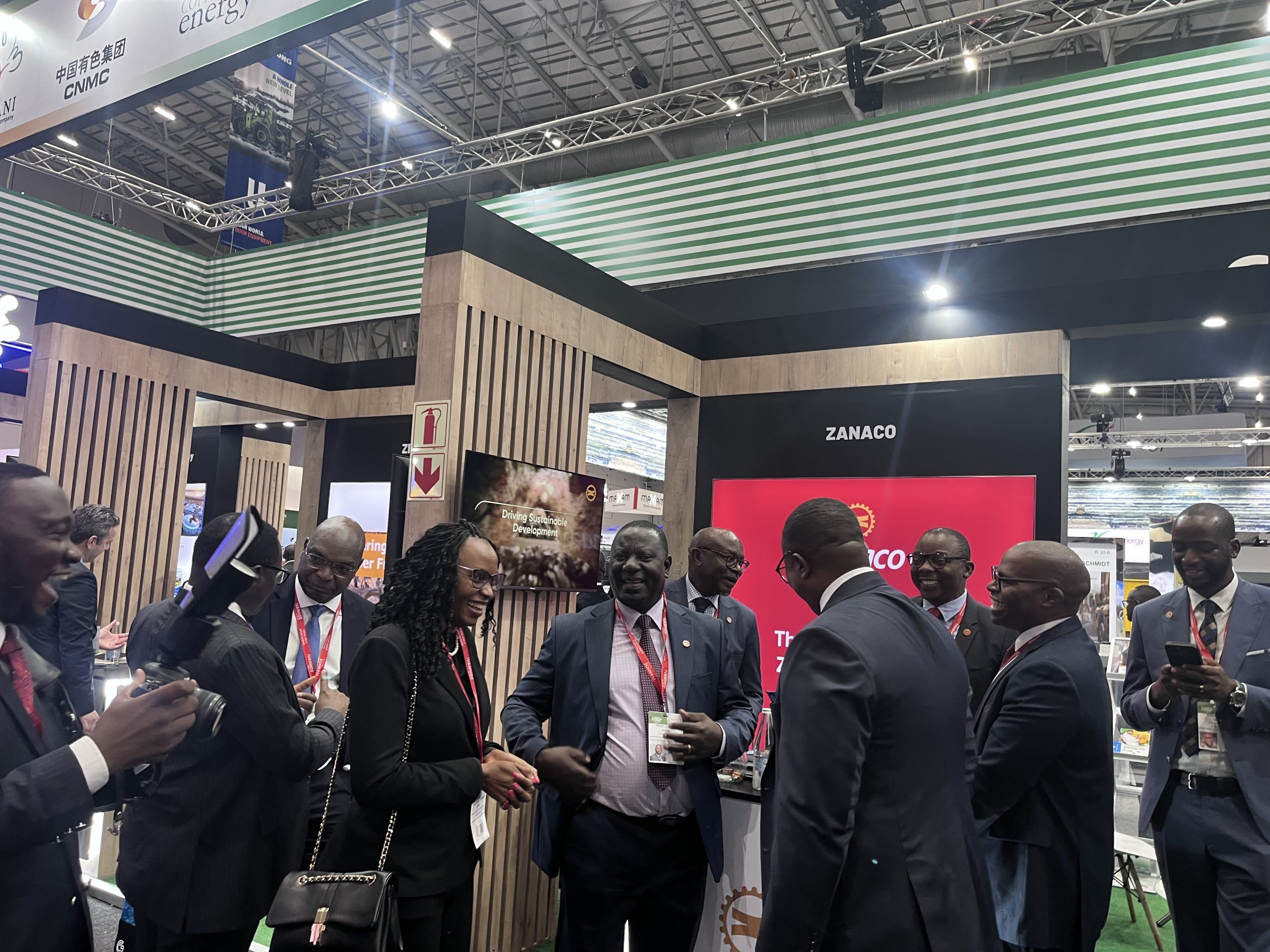
Copperbelt Energy Corporation (CEC) is playing a key role in generating and transmitting power from alternative sources for the country’s energy-intensive mining sector. Once again, the power company had a very visible presence within the Zambia pavilion, alongside a wide range of sector players, including Mopani Copper Mines, ZANACO, and Zambia’s state mining company, ZCCM Investments Holdings Plc (ZCCM-IH).
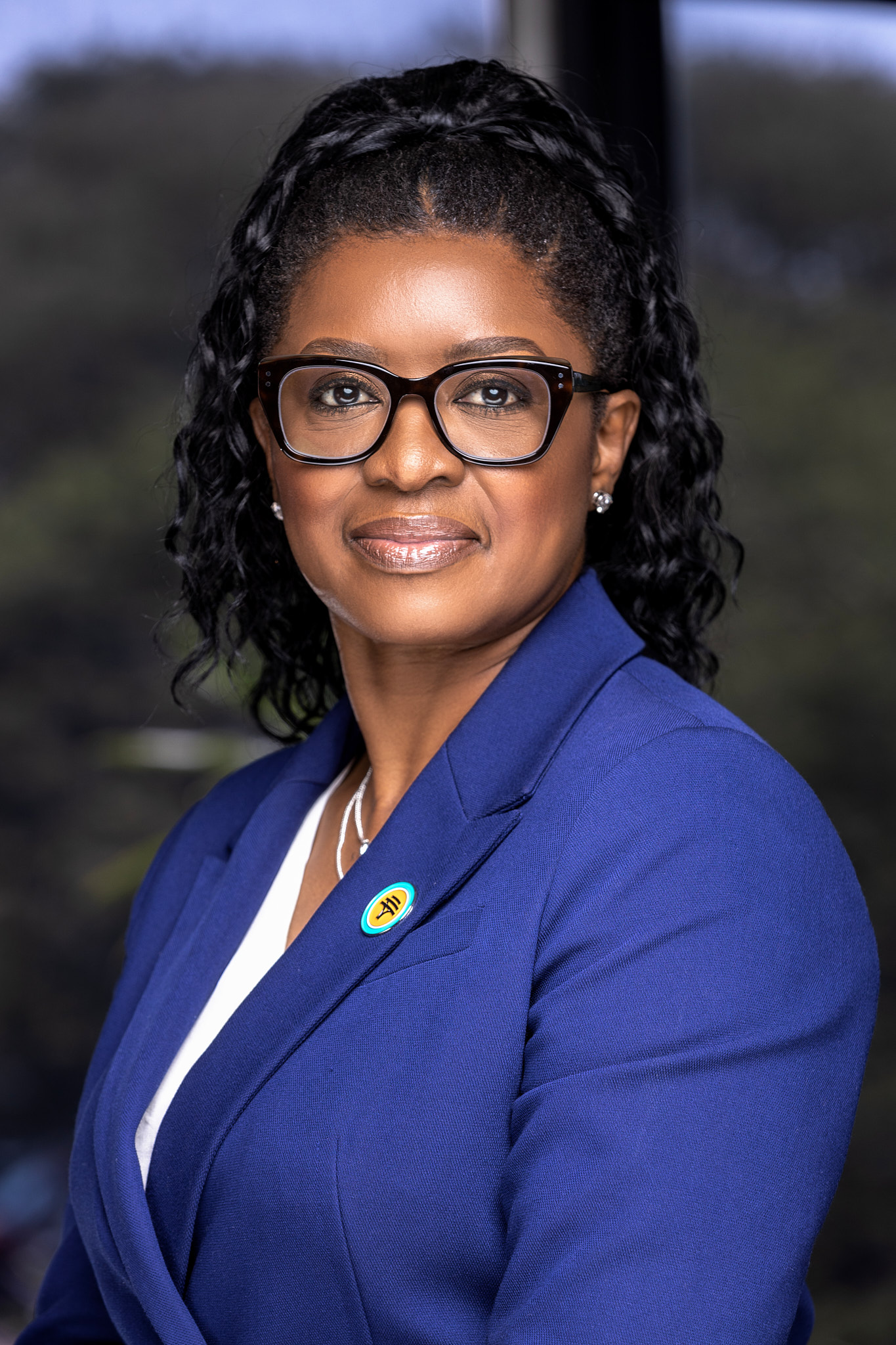
CEO of FNB Zambia, Ms Kapumpe Chola, shared her takeaways, too. “What we are seeing now is a clear increase in investor interest in Zambia,” she said. “Beyond the large players, we’re also seeing growing momentum among mid‑tier operators. Many of them are actively seeking opportunities and securing the resources needed to make meaningful capital investments. This signals broader sector confidence, not just at the top end of the market, but across the mining value chain.”
Value addition across the mining value chain
Zambia’s recently implemented Local Content regulations was one of the hot topics at the event. “Many mines are going flat-out to demonstrate that they’ve done everything in their power to meet these milestones,” said Mr Chibuye, who added that several mining companies are offering vendor financing arrangements to support local suppliers in securing business in the sector.
But the World Bank’s Martin Lokanc cautioned that, without clarifying the precise objectives behind Local Content policies, there can be unintended – and often undesired – consequences. One of them is increasing local ownership on the surface, even if that comes in the form of “middlemen” who essentially import goods without adding value. “Every government has to start by asking themselves, what is the objective? Is it just about national ownership of supplier companies, or is it about actual value addition happening in countries? Would you trade one off for the other?” he enquired, speaking at a panel discussion.
Speaking at a breakfast event hosted by the Association of Zambian Mineral Exploration Companies (AZMEC), Zambia Chamber of Mines CEO Mr Sokwani Chilembo emphasised the need to “hold course and continuously improve the jurisdiction’s competitiveness,” adding: “We need to strike a balance between tightening regulation and compliance with the requisite caution and care that keeps mining growing, attractive, stable and competitive.”
Another of the next big challenges is ensuring that our economy becomes diversified.
“Sustainable growth means making sure that every other sector of the economy is functioning,” said Mr Mukutuma. “To get to three million tonnes, we need to move about 815 million tonnes of ore through the crushers and mills – and that means we have to move about 2.5 million tonnes of waste. That’s a lot of business opportunities, if local companies are involved.”
However, becoming “overly dependent” on mining is a mistake, he added. “We need to grow mining, and other parts of our economy too. Otherwise, this is the irony: We will grow mining, and that will be our downfall. Most of you here that are old enough will remember what complete mineral dependence means for our country, when the cycle turns.”
See also: Taking the temperature of the room

Good day!
I am Gabriel Chipana from Electromin SA Pty Ltd. We are an electronic engineering company specializing mainly in the repairs of the Siemens Electronic Inverters for Komatsu Hauling Trucks 860e and 960s in the Mining industry. We are currently looking for a trip to Zambian mining companies to offer the best Electronic repair services to your mining industries, which we will save your company billions of dollars. Please send us your contact details so that we can communicate with the right person so that we can travel to Zambia for an official business trip. We will be able to provide a full presentation for our company and services.